Spicepoon – Recipe Website UI/UX Case Study
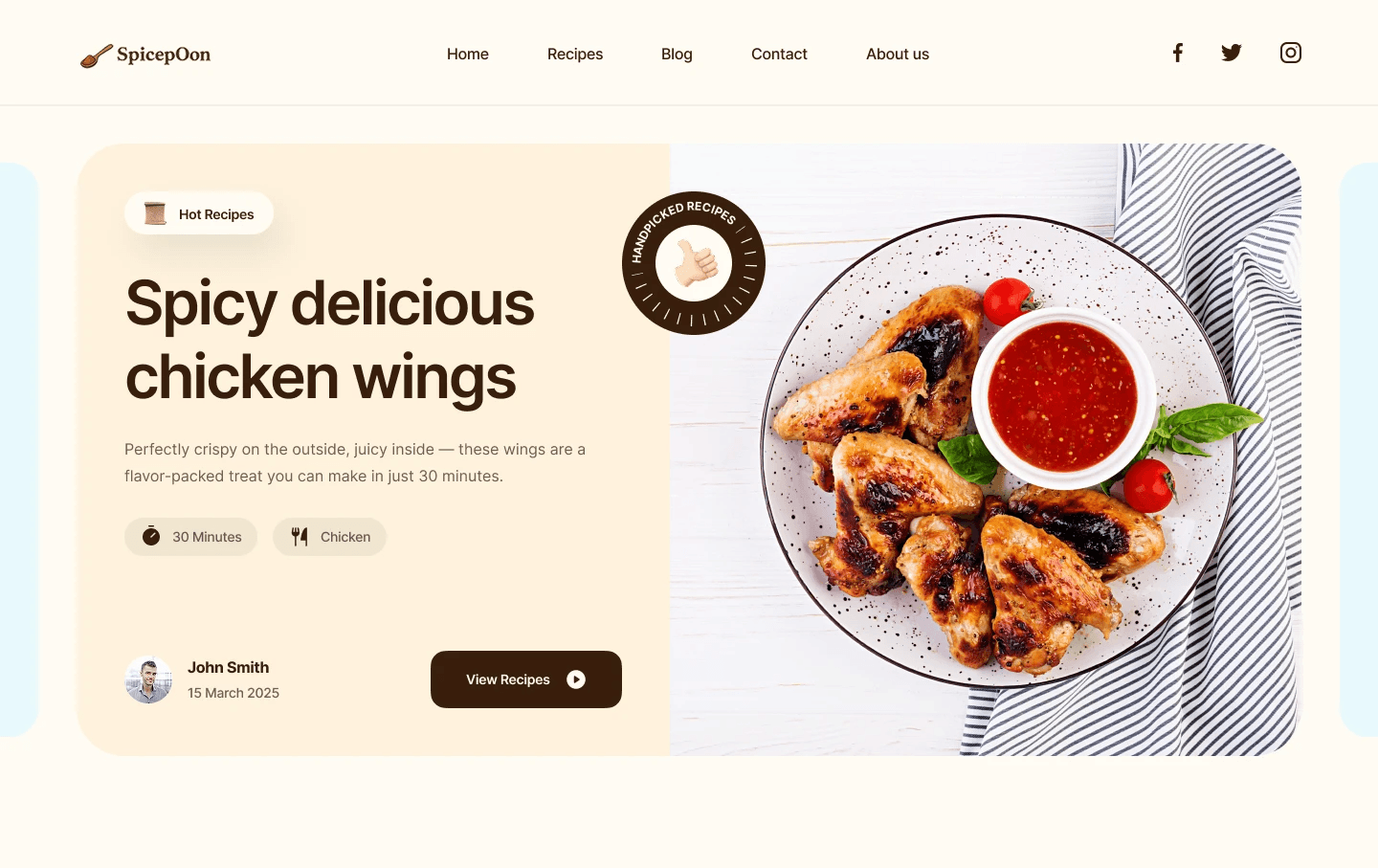
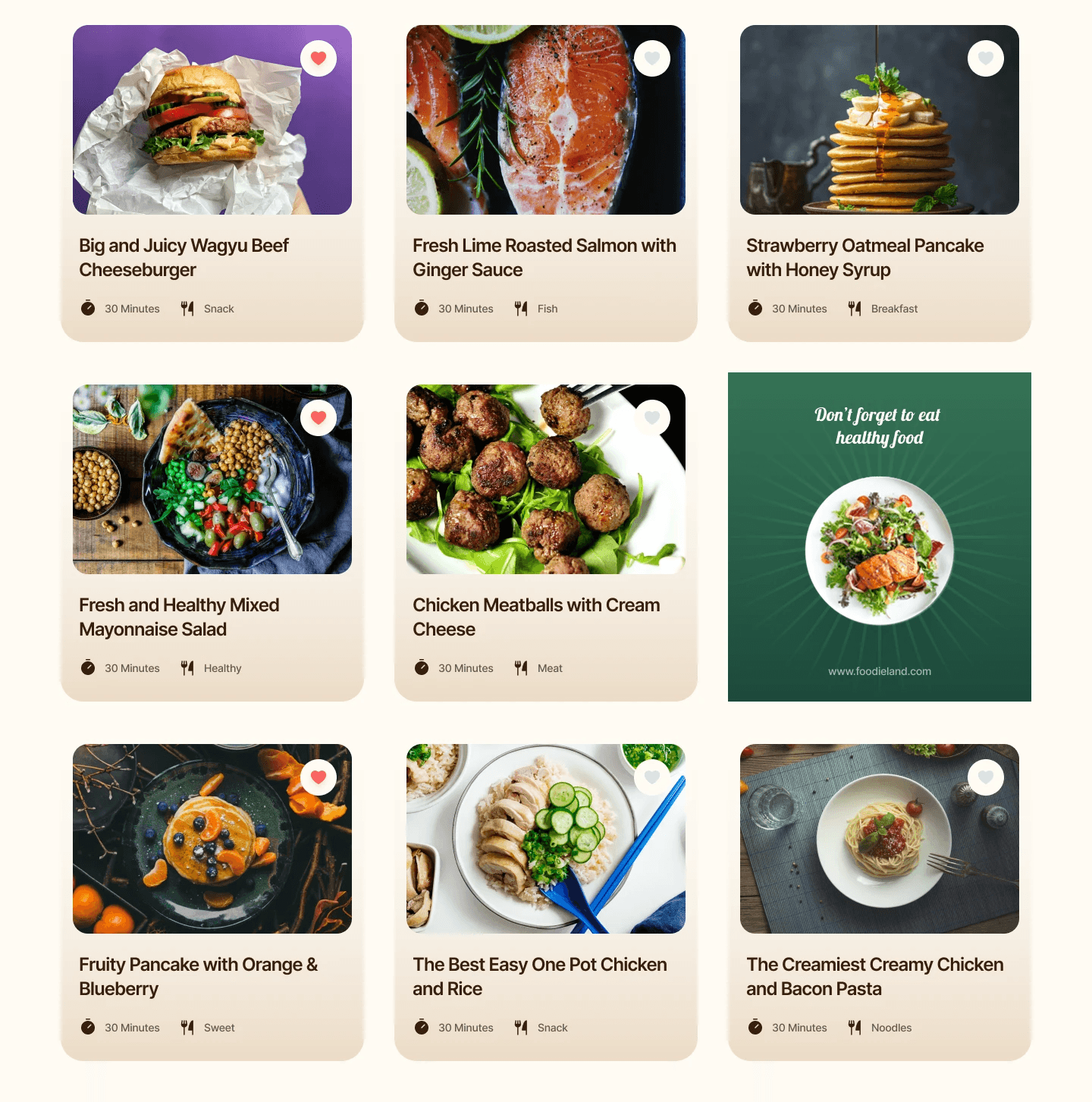
Spicepoon is a digital recipe platform built to inspire food lovers and home cooks. The website offers categorized, easy-to-read, and beautifully presented recipes with a focus on usability and visual delight.
— — —
— —
Food & Lifestyle
Platform Type
Recipe Discovery Website
User Base
General public, home cooks, food enthusiasts
Challenge
Many recipe websites overwhelm users with cluttered layouts, unnecessary content, and ads that make it difficult to focus on cooking. Users struggle to find specific recipes, skim ingredients quickly, or follow steps without losing track. Our goal was to design a clean, distraction-free, mobile-friendly recipe platform that prioritizes usability, clear structure, and appetizing visuals.
Results
After the redesign, user engagement improved drastically with a 30% increase in daily active sessions and a 40% decrease in bounce rate. Recipe completion rate improved due to a simplified layout and clear step-by-step formatting. Mobile users especially reported higher satisfaction navigating the site while cooking. Overall user satisfaction rose from 3.5 to 4.7 stars.
35%
Improved onboarding process
25%
Increase in user retention
84%
Increase in time spent on website
Process
Research & Analysis: We conducted informal user interviews and competitor research to understand how people discover and follow recipes online. Key insights revealed a need for visual clarity, mobile optimization, and simplified ingredient navigation.
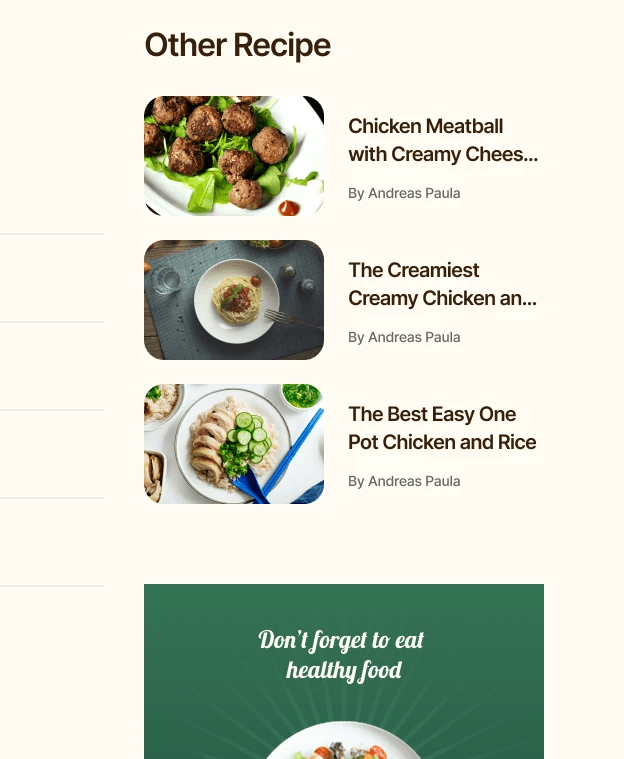
Information Architecture: We restructured the site layout based on recipe types (e.g., Breakfast, Veg, Non-Veg, Quick Meals) and added filters for dietary needs and preparation time to improve content discoverability.
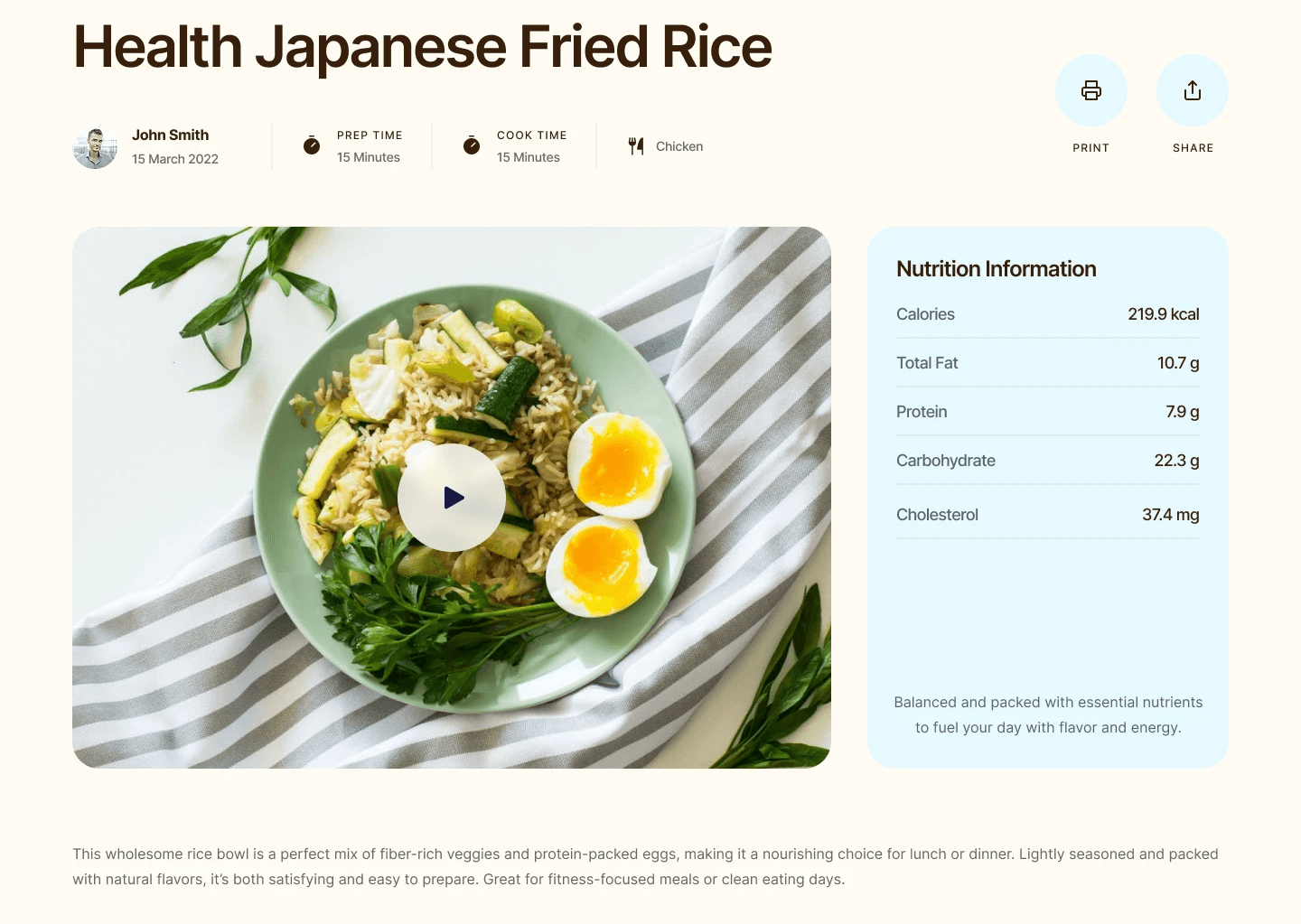
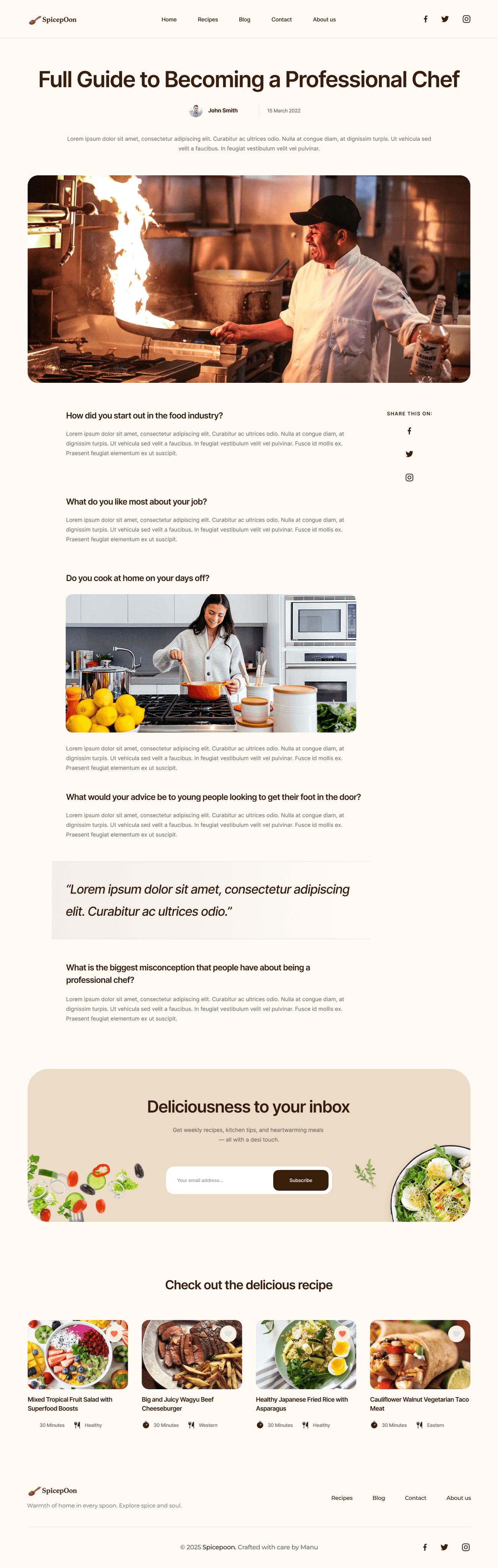
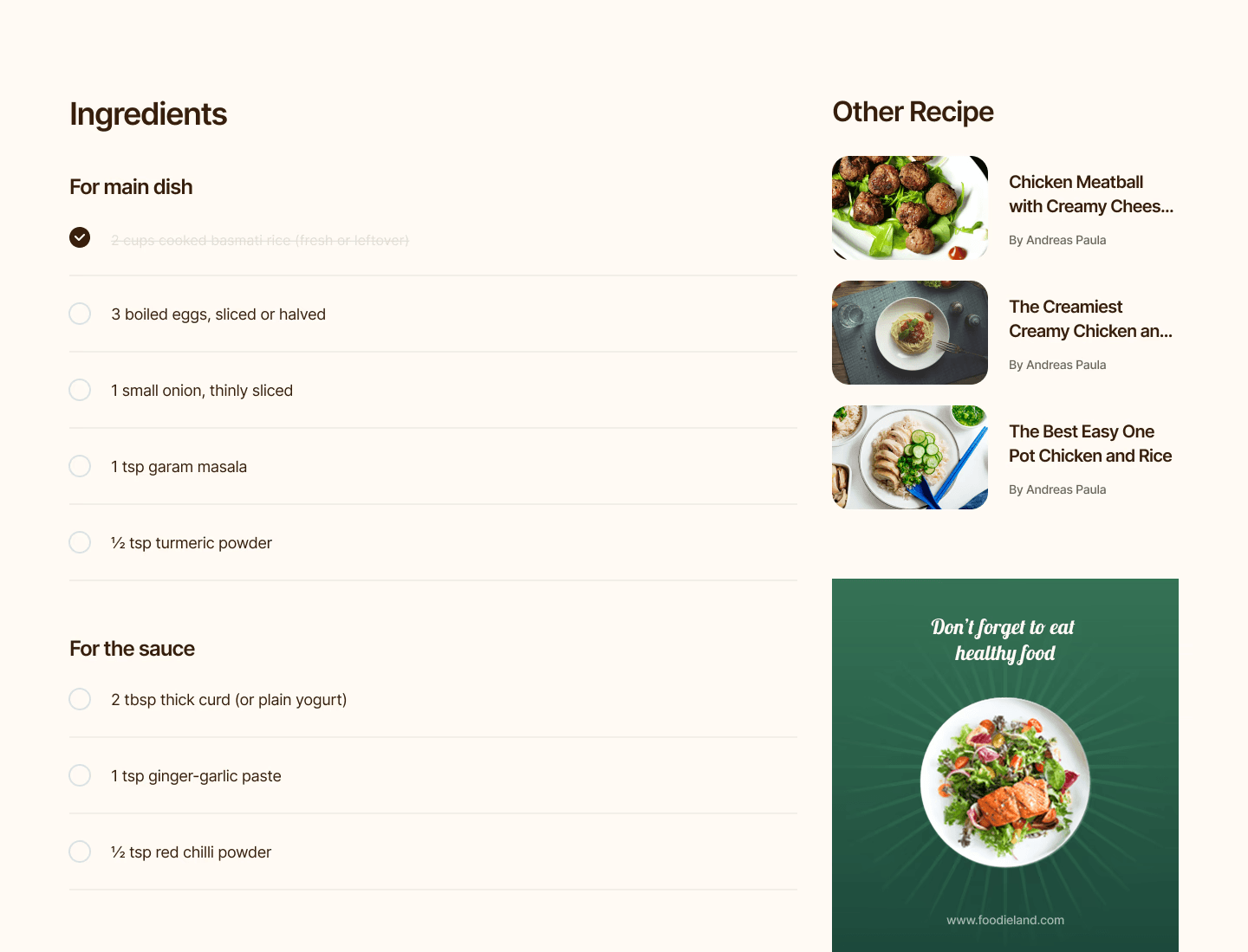
Wireframing & Prototyping: Initial low-fidelity wireframes were created to test layout flow and user actions. Based on feedback, we built a high-fidelity prototype in Figma showcasing the homepage, recipe page, and step-by-step interface.
Usability Testing: We shared the interactive prototype with users across devices. Their feedback highlighted the importance of scrollable ingredient lists and image-led navigation. Adjustments were made to enhance mobile usability.
Visual Design & Style Guide: We crafted a modern, appetizing UI using soft warm tones, spacious layout, and clear typography. A mini style guide was created to maintain consistency in future design updates and content expansion.
Conclusion
The design and development of the Spicepoon recipe platform addressed key usability challenges by prioritizing clean navigation, structured content, and visual clarity. By focusing on a user-centered design approach, we successfully created an intuitive and enjoyable experience for users exploring recipes. The improvements in engagement, satisfaction, and task completion reinforce the importance of simple, responsive interfaces in building trust and encouraging repeat visits in food-related digital products.